

04.
Un giardino di simboli
A garden of symbols
Le sete lucchesi mettono in scena un vero e proprio giardino, dove ogni pianta porta con sé una storia arrivata da lontano. Piante come acanto, vite, clematide, gelsomino,le specie che popolano questi tessuti non sono osservazioni botaniche fedeli, ma interpretazioni visive: gli artigiani medievali non disegnavano dal vero, disegnavano ciò che avevano già visto in altri tessuti, filtrando piante spesso mai incontrate di persona attraverso le stoffe orientali che arrivavano a Lucca insieme alle rotte commerciali della seta.
È proprio questo doppio filtro, la pianta reale trasformata in immagine e l’immagine interpretata a sua volta da chi tesse, a spiegare perché ciascuna di queste specie porti con sé un carico simbolico così stratificato: mitologia greca, leggende arabe, simbolismo cristiano e culture dell’Estremo Oriente si sommano nello stesso motivo, senza che nessuna fonte prevalga mai del tutto sulle altre.
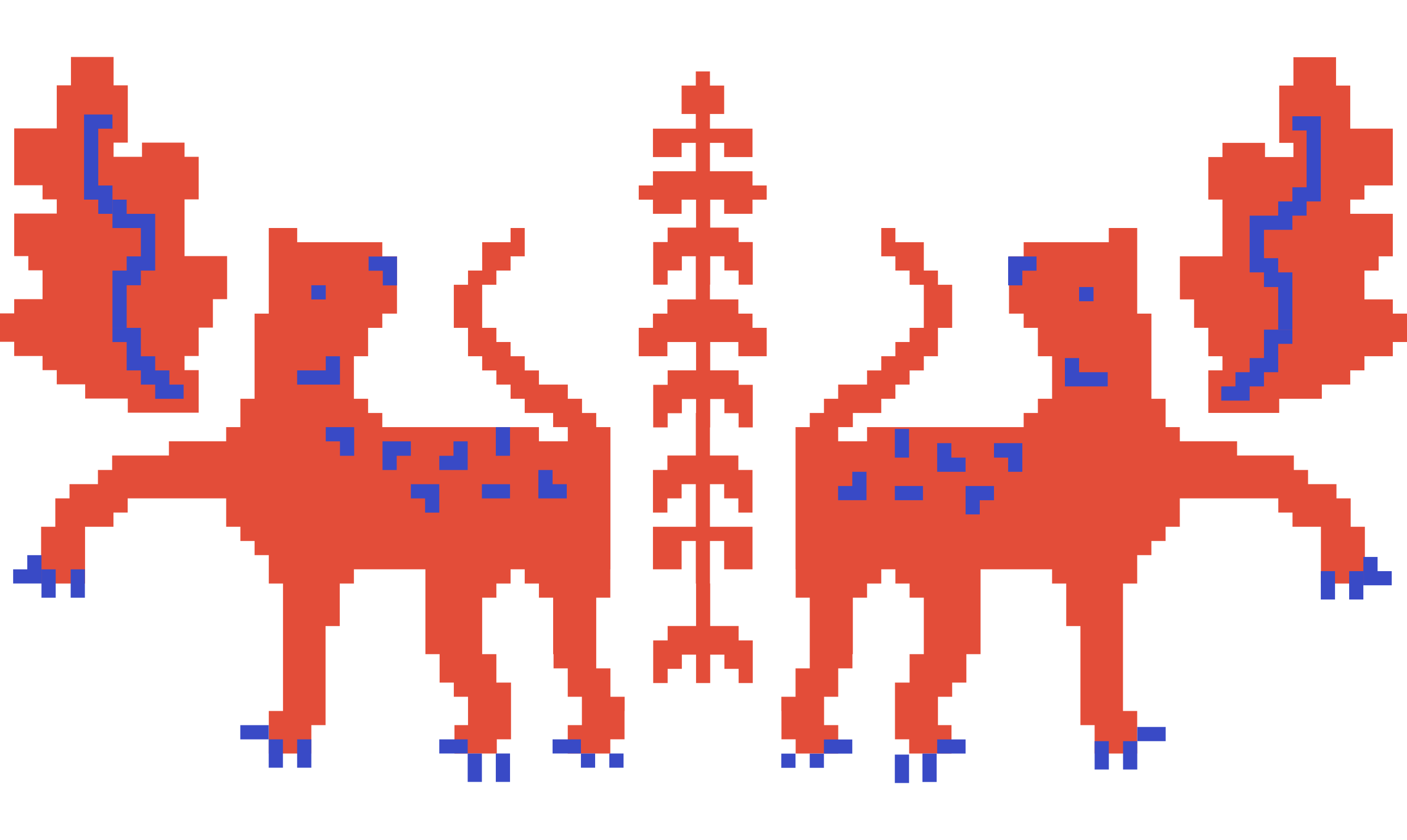
Accanto alle piante, un bestiario fantastico: leoni, grifoni, pavoni, attraversa gli stessi tessuti con la stessa logica. Il risultato è un repertorio capace di essere riconosciuto al di là delle lingue e delle epoche, un vero alfabeto visivo condiviso lungo le rotte della seta.
Giardini Tessuti raccoglie otto di queste specie botaniche e ne propone una rilettura contemporanea, sintetica e ironica, che non tradisce la fonte ma la avvicina a noi.
Le pagine che seguono raccontano ciascuna pianta: da dove arriva il suo significato, come compare nei tessuti medievali, e come si è trasformata nel pattern che la reinterpreta oggi.
Lucca’s silks stage a veritable garden, where every plant carries a story that has travelled from afar. Plants such as acanthus, vine, clematis, jasmine, the species populating these textiles are not faithful botanical observations but visual interpretations: medieval artisans did not draw from life, they drew what they had already seen in other textiles, filtering plants often never encountered in person through the Eastern fabrics that arrived in Lucca along the silk trade routes.
It is precisely this double filter, the real plant transformed into image, and the image in turn reinterpreted by the weaver, that explains why each of these species carries such a layered symbolic weight: Greek mythology, Arab legends, Christian symbolism and cultures of the Far East all converge in the same motif, with no single source ever fully prevailing over the others.
Alongside the plants, a fantastical bestiary, lions, griffins, peacocks, runs through the same textiles according to the same logic. The result is a repertoire capable of being recognised across languages and eras, a true shared visual alphabet along the silk routes.
Giardini Tessuti brings together eight of these botanical species and offers a contemporary reinterpretation of them, concise and ironic, one that does not betray the source but brings it closer to us.
The pages that follow tell the story of each plant: where its meaning comes from, how it appears in medieval textiles, and how it has been transformed into the pattern that reinterprets it today.